
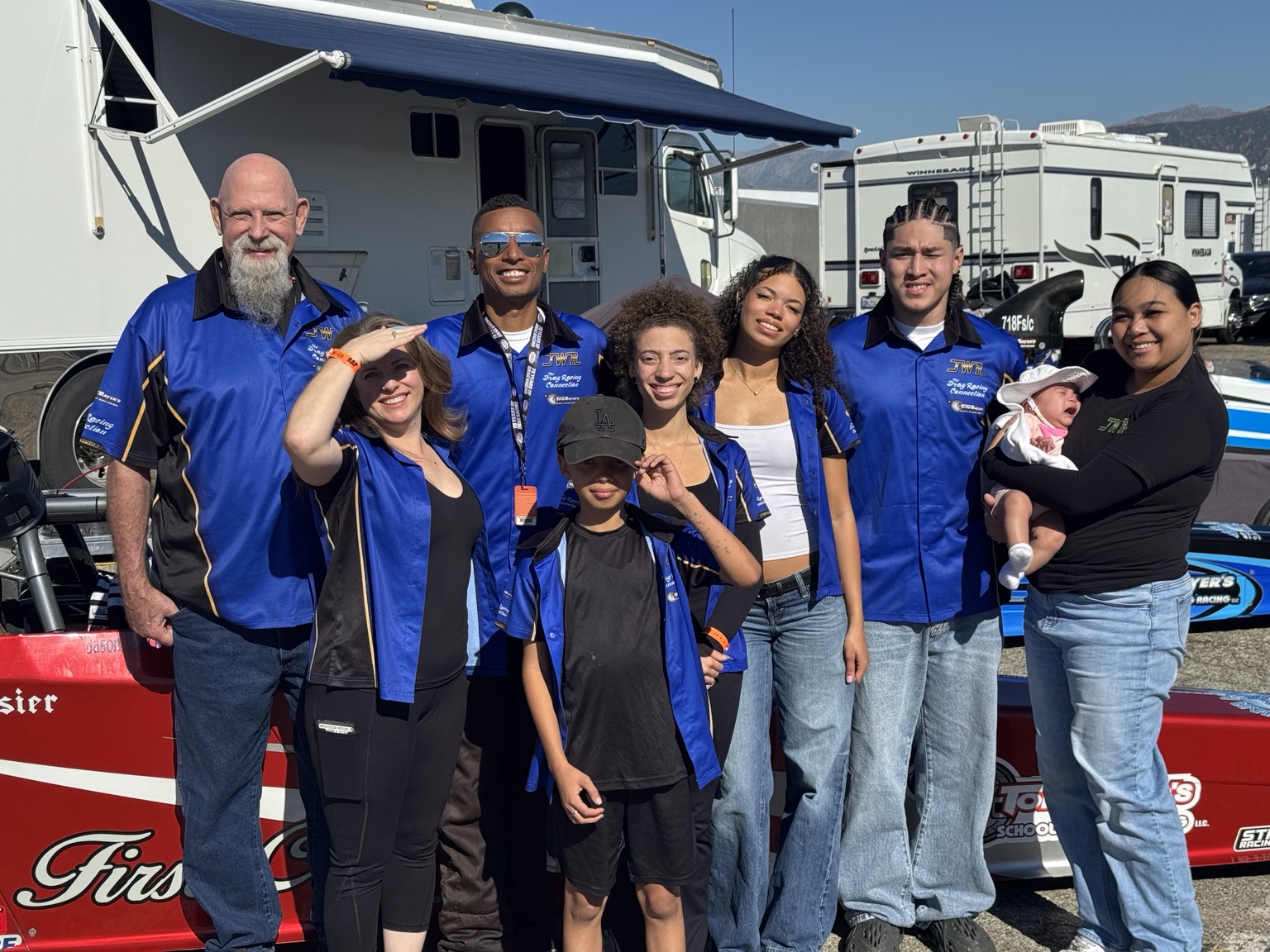
LONG BEACH, Calif. — Jason Wieck’s 2026 season began and ended at Pomona, the track where his father first introduced him to drag racing as a child. Between those visits came close finishes, frustrating early exits, a Bakersfield rebound and opportunities that made the year memorable beyond the results sheet.
It wasn’t the season Jason Wieck Racing had hoped for. But it was a season worth reflecting on—for the lessons learned behind the wheel and the people who made every trip to the starting line possible.
Competing in NHRA Super Comp, Wieck traveled between Pomona, Las Vegas, Sonoma and Bakersfield. The results showed both the unforgiving nature of index racing and the satisfaction of earning a win light when the margins were exceptionally small.
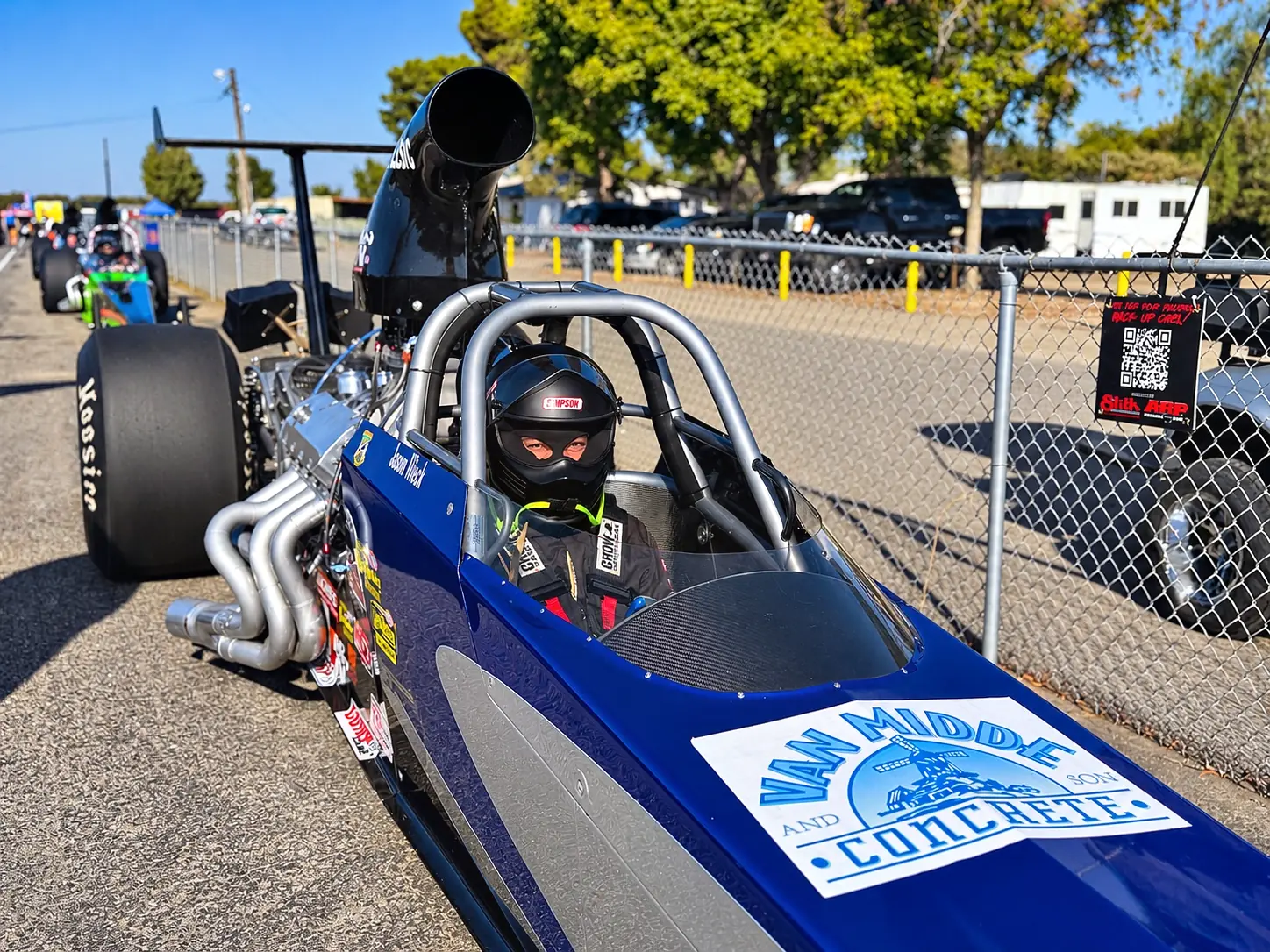
At the March Pomona divisional, Wieck and first-round opponent Steven Hamilton each recorded an 8.915-second elapsed time. Hamilton’s quicker reaction time decided the race. Wieck had made a competitive pass, but his weekend ended in the opening round.
Returning to Pomona for April’s Winternationals, Wieck faced Bambee Garfield. A -.013-second red light ended his chances before the finish line, sending the team toward its next stop looking for a better outcome.
That opportunity arrived at the Las Vegas double divisional.
In the first race, Wieck defeated Ray Groves with a .043-second reaction time and a 9.095-second run at 171.95 mph. The winning margin was just .0073 second—a close finish that rewarded his starting-line advantage.
David Bau ended Wieck’s run in round two when Wieck’s 9.035-second pass fell below the 9.05 index. The second event brought another breakout, this time against Toby Payne in the opening round.
April offered a little of everything: a hard-earned victory, the disappointment of giving up a round by running too quickly, and more experience to carry into the summer.
Sonoma brought further challenges. At the divisional, Wieck’s -.012 reaction time against Dylan Hough resulted in a first-round red light. At the national event, another early start ended his opening-round matchup with Jason Rosenbaum.
The two races underscored how demanding Super Comp can be. Elapsed times close to the index still need a legal start and the right finish-line execution to become round wins.
September’s Bakersfield double divisional provided a welcome response.
The first event at Famoso ended in round one. With another race ahead, Wieck and car owner and crew chief Thomas Bayer regrouped and returned for a second opportunity.
This time, Wieck advanced through three rounds before his run ended in round four. Working with Bayer of Thomas Bayer’s Drag Racing School, he turned a difficult beginning into one of the season’s encouraging performances.
Bakersfield gave the team something tangible to build on. After an early exit, they had come back and put several win lights together.
The November Division 7 finale in Las Vegas produced another close victory. Against Michael Lane in round one, Wieck paired a .009 reaction time with a 9.073-second run at 167.74 mph. He advanced by just .0051 second.
Nick Alejandre ended Wieck’s race in round two. The result left him wanting more, but the opening-round performance supplied another example of the precision he was working to deliver consistently.
Then came the World Finals at Pomona—and a last-minute reunion.
Wieck returned to the First Call Super Comp dragster, excited and optimistic about finishing the season in a familiar car. At a track that holds a special place in his life, the opportunity added another meaningful chapter to the year.
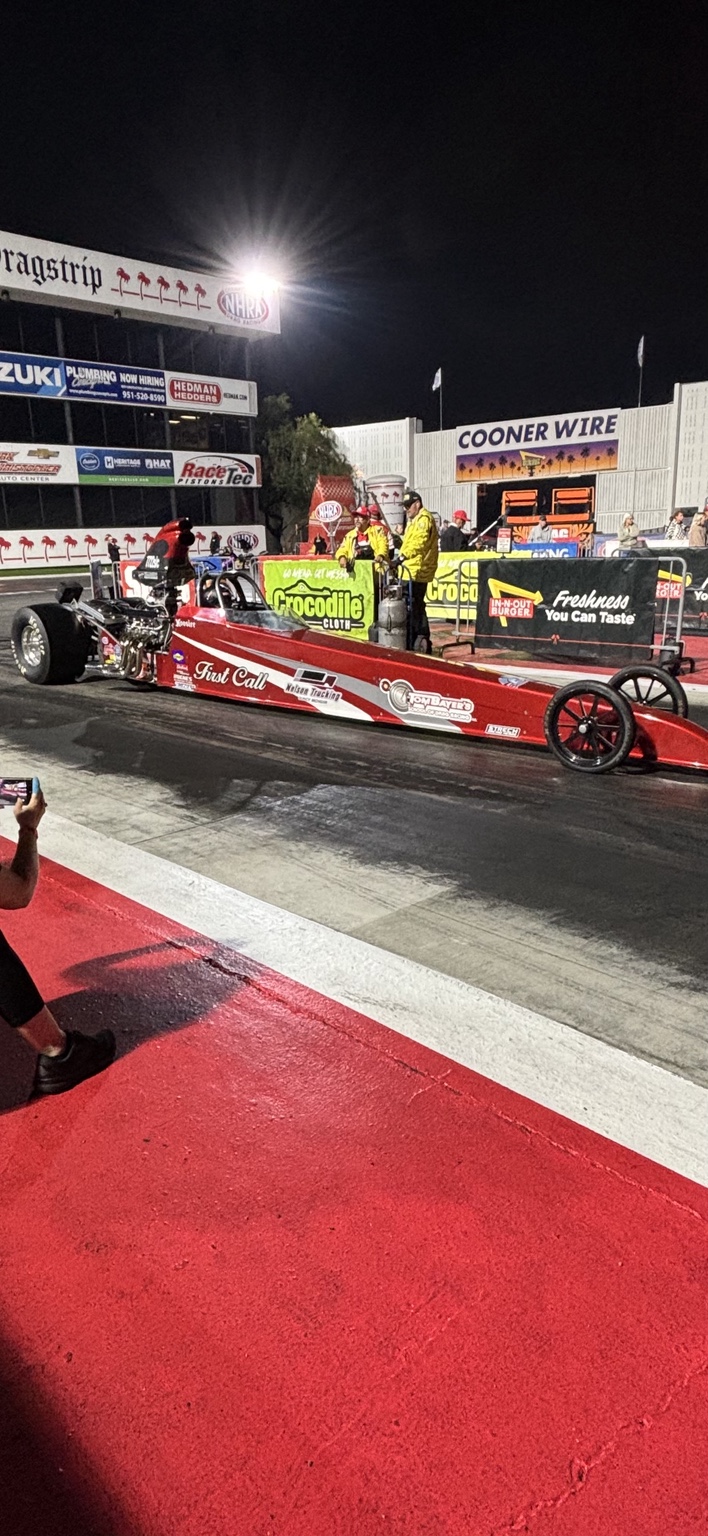
An opening-round victory over Christian Patton sent Wieck into round two against Logan Warr. Warr advanced with an 8.953-second run and a .027 reaction time, while Wieck recorded an 8.965 with a .033 light.
His competitive season was finished. His weekend in a cockpit was not.
On Saturday, Wieck climbed into Greg Barta’s Tom Hoover nostalgia Top Fuel dragster for a cackle session. After a year spent chasing round wins, the experience offered a different reason to appreciate being at the track.
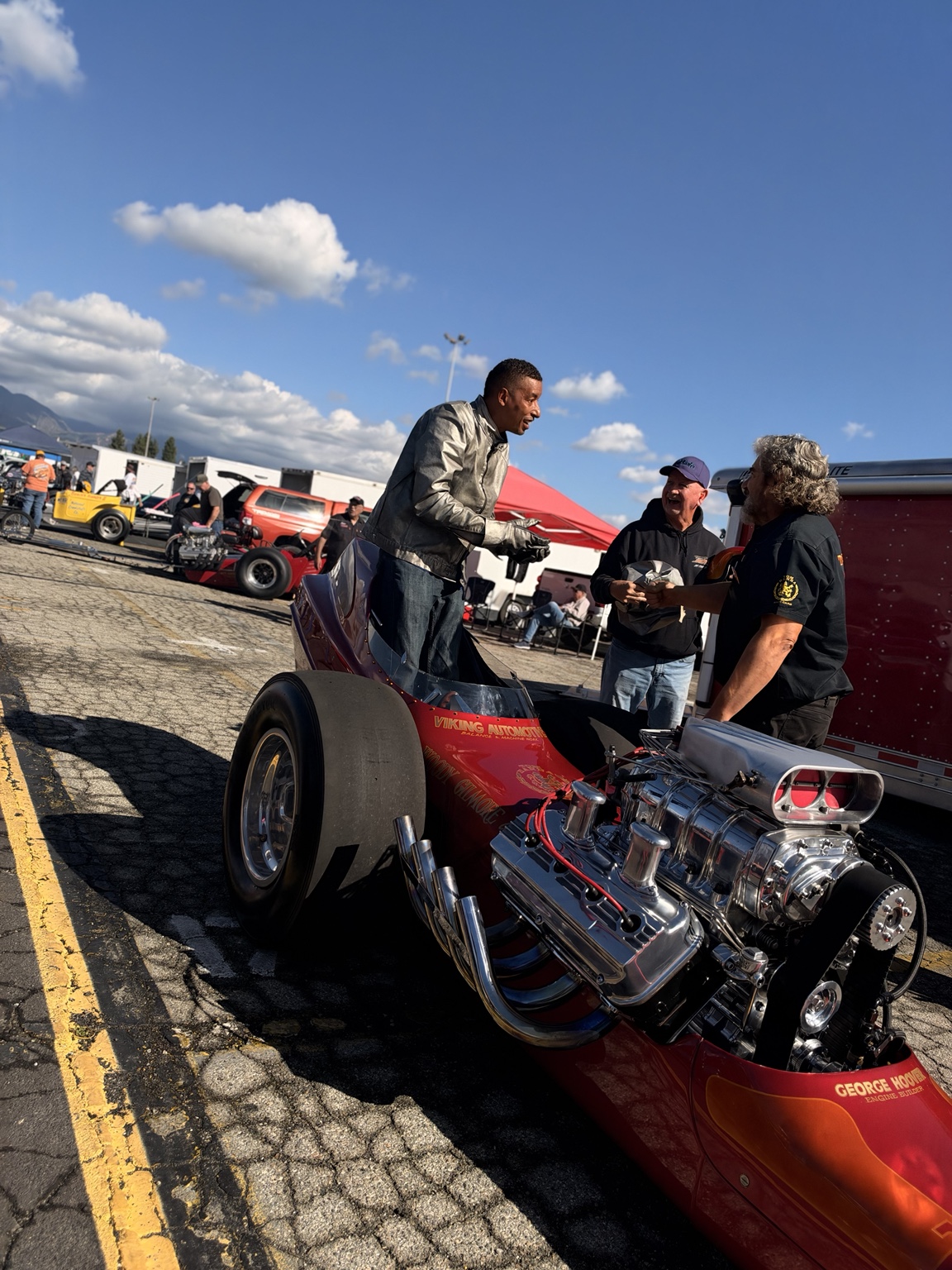
The sound of nitro and the opportunity to sit in a car connected to drag racing’s history became a memorable part of the finale. Wieck thanks Greg Barta for allowing him the opportunity, Julie Mullen, and Robert Reel for helping make it happen.
Those personal connections are central to the story of Jason Wieck Racing.
Jason extends his sincere gratitude to Tom and Gina Bayer for their support throughout the season. He also thanks his wife Andrea, Jordyn, Jasmyn, Jaxon, Fernando, and the family and friends who stood behind him through the victories and disappointments.
Their encouragement mattered on the weekends that went well. It mattered just as much when the racing ended sooner than planned.
Away from competition, the team continued sharing its story through race updates, photographs and social content. The daily sponsor-concept series brought a creative approach to introducing potential partners to Jason Wieck Racing and showing what their involvement could look like.
That effort continues alongside preparations for 2027.
The goal is to build greater consistency, turn more competitive passes into round wins, and carry the lessons of 2026 into the next season. The close victories in Las Vegas and the fourth-round appearance at Bakersfield provide performances to build on. The early exits identify where more work remains.
Jason Wieck Racing finishes 2026 grateful for the opportunity to compete, proud of the people behind the program, and motivated to improve.
There were results to learn from and moments worth remembering. Now the focus turns to another season—and another chance to put it all together.
← Back to News